



Certified HVAC Mold Remediation — NADCA-Aligned
When mold is discovered inside your ductwork, cleaning alone isn't the answer. We identify, contain, remove the source, and verify the result — the standard the industry calls for.

What Is HVAC Mold Remediation?
HVAC mold remediation is the structured, IICRC S520-aligned process of identifying mold inside a ventilation system, containing the affected area, mechanically removing contamination, treating affected materials, and verifying the result. It is the step beyond a routine duct cleaning. The Chattahoochee Valley's persistent humidity makes HVAC mold a regional problem — and "spray-and-pray" fogging is not remediation. We work the problem from the source, document the result, and tell you honestly when cleaning is enough and when it isn't.
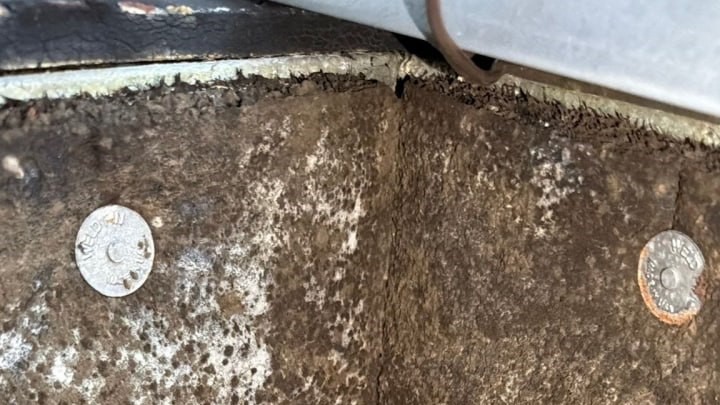
Source removal. Not spray-and-pray.
Why Time Matters
After a Water Event, the Clock Starts
Most homeowners don't realize how fast mold begins. After a leak, flood, or storm intrusion, here's what happens hour by hour.
Leak, flood, or storm pushes moisture into the envelope or HVAC.
Existing dormant spores begin germinating. This is the window to act.
Surface growth becomes visible. By now, full remediation is on the table.
Colonies establish. Spores spread through the HVAC system to other areas.
Materials begin to break down. Remediation scope expands beyond the original area.
Source: EPA Mold Remediation in Schools and Commercial Buildings; IICRC S520-2025.
The IICRC S520 Framework
How a Voyager Assessment Classifies What's There
Mold isn't pass/fail. The industry standard sorts microbial contamination into three conditions — each with a different response. Tap a card on mobile to expand.
Condition 1
Normal Fungal Ecology
What's Seen
No visible growth, no settled-spore evidence beyond the indoor baseline. Spore counts comparable to outdoor reference.
What's Done
No remediation needed. Recommended: humidity control (target below 60% indoor RH), filter upgrade, and a normal annual cleaning cadence.
Condition 2
Settled Spores
What's Seen
Settled-spore contamination from a Condition 3 source, but no active growth at the assessed location. Often downstream of a different remediation.
What's Done
Cleaning of affected surfaces and ductwork, plus correction of the pathway from the Condition 3 source. Verification before close-out.
Condition 3
Active Growth
What's Seen
Visible or hidden active fungal growth driven by an ongoing moisture source. The most common HVAC remediation case in this region.
What's Done
Full remediation: containment isolation, source-moisture correction, mechanical source removal, treatment of affected materials, post-remediation verification.
Source: ANSI/IICRC S520 Standard for Professional Mold Remediation, 4th Edition.
A Quick Self-Check
Signs You May Have Mold in Your HVAC System
Mold inside ductwork hides until it doesn't. These are the most common signs that something is growing where it shouldn't.
Is there a musty smell when the AC turns on?
Are there visible black or dark specks around your vents or registers?
Has anyone in the home had worsening allergies or asthma indoors?
Are you waking up with itchy, watery eyes, a runny nose, or headaches?
Can you see what looks like mold growth on or inside supply registers?
Has the home had recent water damage, a leak, or a flood?
Does indoor humidity feel persistently high?
Have you had a storm or hurricane event that may have introduced moisture?
If any of these match what you're seeing, don't wait. We'll inspect it for free.
Local Context
Why the Chattahoochee Valley Is Mold-Prone
Four regional climate realities make our area one of the most reliably mold-friendly in the southeast.
Annual Avg RH
Persistently above the ASHRAE 60% design ceiling. The single biggest driver of HVAC mold growth.
Summer Dew Point
Surfaces stay below dew point long enough for condensation to form inside duct cavities.
Annual Rainfall
Heavier than the U.S. average. Roof and envelope intrusion is a real and recurring source.
Hurricane Season
Hurricane Helene and Debby pushed regional moisture intrusion to multi-year highs in 2024.
Sources: NOAA Climate Normals (Columbus, GA); ASHRAE 62.1 indoor RH guidance.
The Voyager Difference
Why HVAC Mold Remediation Should Be Done This Way
Mold isn't a smell to mask. It's a problem to find, contain, remove, and verify. Anything less is theatre.
We Don't Spray-and-Pray. We Remove the Source.
Many "mold treatments" are a fogging cycle in your ducts. That's not remediation. We containment-isolate the affected area, mechanically remove contamination, treat affected materials, and verify the result before we call the job done.
NADCA ACR and NADCA VSMR Aligned
Our process follows the NADCA ACR standard for HVAC-system scope and the NADCA VSMR framework for ventilation system mold remediation — containment, source removal, and post-remediation verification. Two of the most recognized standards in the industry, cited on the documentation you receive.
Honest Assessment First
Not every musty smell is a Condition 3 remediation. We will tell you if Condition 1 humidity control will solve it, if a Condition 2 cleaning is enough, or if a full Condition 3 remediation is what your home actually needs. No upsell.
Post-Remediation Verification
Every remediation closes with a documented verification pass — not just our word that it's clean. You receive photo documentation and the scope-of-work record insurers and home buyers ask for, so the proof stays with the property.
Our Methodology
How a Voyager Mold Remediation Works
A four-point approach. Find the source. Contain the area. Remove the contamination. Verify the result.
Navigate
Scope the contamination and find the source.
We identify affected ductwork, look for the moisture source, and classify the contamination level per NADCA VSMR guidelines.
Educate
Show you what we found, explain what it means.
We share findings directly — the condition classification, the moisture pathway, and the recommended scope in plain language.
Service
Contain. Remove. Treat. Verify.
NADCA-aligned containment, source removal, and treatment throughout the affected ventilation system. Post-remediation verification before close-out.
Walk-Through
Leave you with verification and a plan.
Post-clean verification, photo documentation, and clear guidance on humidity, filtration, and maintenance to keep mold from returning.
Discovery. Understanding. Resolution. Guidance. Every remediation. Every customer. Every time.
Common HVAC Mold Genera
It's Not All "Toxic Black Mold"
Three genera show up in HVAC systems more than any others. Tap each below to see what it looks like, how it behaves, and what we do.
The "Black Mold" of Headlines
Stachybotrys Chartarum
The mold that gets the press. Slimy, very dark green to black colonies. Requires sustained, heavy water saturation — usually unaddressed leaks, flood damage, or chronic condensation against cellulose materials (drywall paper, ceiling tile). Less common in HVAC ducts directly than in the materials around them.
The Quiet Allergy Driver
Aspergillus
Common, widespread, and the species we find most often in HVAC ductwork in the Chattahoochee Valley. Appears in green, yellow, white, or black powdery colonies. Thrives in the warm-and-damp conditions inside post-cooling supply trunks. The chief culprit behind "the AC kicked on and I started sneezing."
The Everywhere Mold
Cladosporium
The most common indoor and outdoor mold globally. Olive-green to brown colonies, often the "dark streaks around vents" homeowners notice first. Thrives on cool, damp surfaces — evaporator coils, drain pans, and supply registers are its favorite zip codes.
Source: U.S. EPA Mold Course; CDC Mold Health Effects; IICRC S520-2025 Reference Guide.
Who's Most Affected
HVAC Mold Doesn't Affect Everyone the Same Way
Four populations to think about when you're deciding whether to act.
Adults
Often tolerate exposure without acute symptoms. Long-term exposure still matters — chronic respiratory irritation is real.
Asthma
Notice indoor symptoms first and most clearly. HVAC mold is a top indoor trigger and frequently the cause of "indoor allergies that won't go away."
& Elderly
Developing and aging respiratory systems are more sensitive to mold spore exposure. Symptoms often present earlier and last longer.
Compromised
Elevated risk — consult your physician. Aspergillosis and other invasive infections are recognized risks. Don't delay assessment.
After a Storm: The First 48 Hours
Hurricane Helene was a regional reminder. Storm intrusion into the building envelope — through a compromised roof, a cracked vent stack, or wind-driven rain — pushes moisture into HVAC ductwork in ways that aren't visible from the living room. Mold can begin in 24 to 48 hours. If your home took on water or experienced any roof, attic, or wall-penetration damage, a free assessment now beats a remediation later. We've built a post-storm response protocol around exactly this window.
Verified, Not Self-Declared
The Credentials Behind Every Remediation
Most HVAC mold work in this region is done by people without these credentials. We cite ours because the standards we cite require them.
Ventilation Inspector
Mold Remediator
AL Cert #21020
Plus pollution-liability coverage
Common Questions
HVAC Mold Remediation FAQ
Answers to the questions homeowners ask us most often before scheduling an assessment.
Our Service Area
HVAC Mold Remediation Across the Chattahoochee Valley
We provide certified ventilation system mold remediation across Columbus, Phenix City, Auburn, Opelika, Fort Moore, and surrounding communities.
Book Your Free Mold Assessment
One assessment. An honest answer about what your system needs — humidity control, cleaning, or full remediation.
Charting your path to cleaner air • Columbus, GA • Phenix City, AL • Auburn, AL • Opelika, AL